Welcoming Message
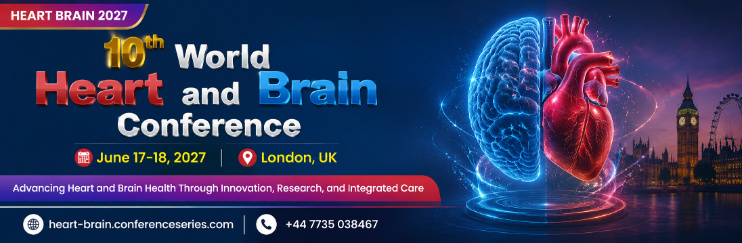
We are delighted to welcome cardiologists, neurologists, physicians, surgeons, researchers, healthcare professionals, academicians, and industry experts to the 10th World Heart and Brain Conference, taking place on June 17–18, 2027, in London, UK. The conference is held under the theme “Advancing Heart and Brain Health Through Innovation, Research, and Integrated Care” and brings together professionals from diverse medical and scientific backgrounds to share knowledge, exchange clinical experiences, and explore emerging developments in cardiovascular and neurological health. This international conference will provide a dynamic platform to discuss advancements in cardiology, neurology, cardiovascular medicine, stroke care, brain health, neurocardiology, preventive medicine, patient care, and innovative therapeutic approaches. Through keynote lectures, scientific presentations, interactive discussions, poster presentations, and networking opportunities, participants can gain valuable insights and build meaningful professional collaborations.
We look forward to welcoming you to an engaging, informative, and knowledge-driven conference in London, UK, dedicated to advancing research, encouraging collaboration, promoting innovation, and improving the future of heart and brain health.
About Conference
The 10th World Heart and Brain Conference, taking place on June 17–18, 2027, in London, UK, is an international platform bringing together cardiologists, neurologists, physicians, surgeons, researchers, academicians, healthcare professionals, and industry experts to exchange knowledge and explore emerging developments in cardiovascular and neurological health. With the theme “Advancing Heart and Brain Health Through Innovation, Research, and Integrated Care,” the conference focuses on the interconnected relationship between heart and brain health and the evolving approaches to prevention, diagnosis, treatment, and patient care. The conference will highlight advances in cardiology, neurology, cardiovascular medicine, stroke care, neurocardiology, brain health, preventive medicine, cardiovascular and neurological research, innovative technologies, and integrated patient care. It provides opportunities to present research, share clinical experiences, learn from experts, and establish meaningful professional collaborations. Through scientific presentations, expert discussions, interactive sessions, and knowledge exchange, participants can explore innovative approaches that contribute to improved heart and brain health outcomes.
Join us in London, UK, on June 17–18, 2027, for an engaging scientific gathering dedicated to innovation, research, collaboration, and excellence in Heart and Brain Health.
Target Audience
-
Cardiologists
-
Neurologists
-
Neurosurgeons
-
Cardiothoracic Surgeons
-
Physicians
-
Stroke Specialists
-
Neurocardiology Specialists
-
Cardiovascular Researchers
-
Neuroscience Researchers
-
Clinical Researchers
-
Healthcare Professionals
-
Nurses
-
Medical Students
-
Residents and Trainees
-
Academicians
-
Medical Educators
-
Rehabilitation Specialist
Why Attend:
The 10th World Heart and Brain Conference offers a valuable opportunity to explore the latest advances in cardiovascular and neurological health. Participants can gain insights from leading experts, discover emerging approaches in heart and brain care, present research, and exchange clinical experiences with professionals from around the world. The conference also provides opportunities for networking, collaboration, knowledge sharing, and professional development. Join us to expand your expertise, connect with specialists, and contribute to the future of integrated heart and brain health.
Key Highlights of the Conference
1. Advances in Cardiovascular Health (Explore innovative approaches in cardiology, cardiovascular prevention, diagnosis, treatment, and patient care.)
2. Emerging Developments in Brain Health (Discover advances in neurology, neuroscience, stroke care, neurodegenerative disorders, and brain health.)
3. Heart–Brain Connection (Examine the relationship between cardiovascular and neurological health and emerging approaches in neurocardiology.)
4. Research & Clinical Innovations (Learn about recent research findings, technologies, diagnostic tools, and therapeutic developments shaping heart and brain medicine.)
5. Professional Networking & Collaboration (Connect with cardiologists, neurologists, researchers, academicians, healthcare professionals, and industry experts while building valuable professional collaborations.)
Sessions and Tracks
Cardiology and cardiovascular medicine focuses on the prevention, diagnosis, and management of heart and vascular diseases. Current advances in cardiac care, diagnostic approaches, and treatment strategies will be explored. Emerging technologies and evidence-based practices will be highlighted. The emphasis will be on improving cardiovascular health and patient outcomes.
-
Coronary artery disease
-
Heart failure
-
Hypertension
-
Interventional cardiology
-
Preventive cardiology
Neurology and brain health covers disorders affecting the brain, spinal cord, and nervous system. Current approaches to neurological diagnosis and treatment will be discussed. Advances in neuroimaging, neuroprotection, and personalized care will be highlighted. The focus will be on improving neurological health and quality of life.
-
Clinical neurology
-
Brain health
-
Neurodegenerative disorders
-
Cognitive disorders
-
Neuroprotection
The heart–brain connection explores the relationship between cardiovascular and neurological systems. It addresses how heart conditions can influence brain health and how neurological disorders may affect cardiovascular function. Emerging approaches in neurocardiology and integrated care will be discussed. The emphasis will be on understanding shared risk factors and improving patient management.
-
Neurocardiology
-
Heart–brain interactions
-
Cardioembolic disorders
-
Autonomic dysfunction
-
Vascular neurology
Stroke and cerebrovascular medicine focuses on prevention, early diagnosis, treatment, and recovery from cerebrovascular conditions. Advances in acute stroke care and modern intervention techniques will be explored. Current approaches to stroke prevention and rehabilitation will also be highlighted. The goal is to support better neurological recovery and patient outcomes.
-
Ischemic stroke
-
Hemorrhagic stroke
-
Stroke prevention
-
Thrombectomy
-
Cerebrovascular disorders
Cardiovascular prevention focuses on identifying and managing factors that contribute to heart disease. Lifestyle modification, early intervention, and risk assessment will be explored. Current approaches to controlling hypertension, diabetes, obesity, and other cardiovascular risks will be discussed. The emphasis will be on reducing disease burden and promoting long-term heart health.
-
Cardiovascular risk factors
-
Lifestyle management
-
Hypertension control
-
Diabetes and heart disease
-
Preventive cardiology
This area focuses on major neurological and neurodegenerative conditions affecting brain function. Advances in early diagnosis, disease management, and emerging therapies will be highlighted. Researchers can explore mechanisms contributing to neurological decline and potential therapeutic strategies. The focus remains on improving brain health and patient care.
Advanced cardiac diagnostics highlights modern technologies used to identify and monitor cardiovascular diseases. Developments in cardiac imaging and diagnostic techniques will be explored. Innovative approaches can support earlier detection and more accurate treatment planning. The area emphasizes precision and improved clinical decision-making.
-
Echocardiography
-
Cardiac MRI
-
Cardiac CT
-
Nuclear cardiology
-
Biomarkers
Neurological diagnostics focuses on advanced methods for evaluating brain and nervous system disorders. Modern imaging technologies and biomarkers can support early and accurate diagnosis. Emerging diagnostic approaches will be discussed alongside their clinical applications. The focus is on improving neurological assessment and treatment planning.
-
Brain MRI
-
Neuroimaging
-
CT imaging
-
Neurological biomarkers
-
Functional imaging
Cardiovascular surgery and intervention covers modern procedures for treating complex heart and vascular conditions. Advances in minimally invasive and catheter-based techniques will be explored. Innovative surgical approaches and technologies will be highlighted. The emphasis will be on safer procedures, faster recovery, and improved outcomes.
-
Cardiac surgery
-
Vascular surgery
-
Interventional cardiology
-
Minimally invasive procedures
-
Structural heart interventions
Neurosurgery and neurointervention focuses on advanced approaches to treating complex disorders of the brain and nervous system. Modern surgical and minimally invasive techniques will be discussed. Developments in image-guided interventions and neurovascular procedures will be highlighted. The area aims to improve precision, safety, and patient recovery.
-
Neurovascular intervention
-
Brain surgery
-
Endovascular procedures
-
Minimally invasive neurosurgery
-
Neuro-oncology surgery
This area examines major metabolic and vascular risk factors affecting both heart and brain health. Current approaches to hypertension and diabetes management will be explored. The relationship between metabolic disorders, vascular disease, stroke, and cardiovascular complications will be highlighted. Prevention and long-term risk reduction will remain key areas of focus.
-
Hypertension
-
Diabetes and cardiovascular disease
-
Vascular disorders
-
Metabolic risk factors
-
Vascular prevention
Pediatric heart and brain health focuses on cardiovascular and neurological conditions affecting children. Congenital heart diseases, developmental disorders, and early neurological conditions will be addressed. Advances in pediatric diagnosis, treatment, and long-term care will be explored. The focus will be on early intervention and healthy development.
-
Congenital heart disease
-
Pediatric cardiology
-
Pediatric neurology
-
Neurodevelopmental disorders
-
Childhood stroke
Artificial intelligence and digital health are transforming cardiovascular and neurological care. Emerging applications in diagnosis, imaging, risk prediction, and patient monitoring will be explored. Digital platforms and data-driven technologies can support personalized and efficient healthcare. The area will highlight opportunities and challenges associated with technology-driven medicine.
-
Artificial intelligence
-
Machine learning
-
Digital health
-
Remote monitoring
-
Predictive analytics
Precision medicine focuses on tailoring prevention and treatment according to individual patient characteristics. Advances in genomics, biomarkers, clinical data, and personalized risk assessment will be discussed. Emerging approaches can support more targeted therapies and improved outcomes. The emphasis will be on individualized heart and brain care.
-
Personalized medicine
-
Genomic medicine
-
Biomarkers
-
Targeted therapies
-
Individualized treatment
Rehabilitation plays an important role in recovery following cardiovascular and neurological conditions. Current approaches to cardiac rehabilitation, stroke recovery, and neurological rehabilitation will be explored. Innovative technologies and multidisciplinary care can support functional recovery and independence. The focus will be on improving quality of life and long-term outcomes.
-
Cardiac rehabilitation
-
Neurorehabilitation
-
Stroke recovery
-
Physical therapy
-
Functional recovery
Mental health and emotional wellbeing can influence cardiovascular and neurological health. The relationship between stress, anxiety, sleep, and cardiovascular risk will be explored. Approaches supporting psychological wellbeing and healthy lifestyle behaviours will be discussed. The focus will be on integrated care addressing both physical and mental wellbeing.
-
Stress and heart health
-
Anxiety and cardiovascular risk
-
Sleep and brain health
-
Psychological wellbeing
-
Behavioural health
Healthy aging focuses on maintaining cognitive, neurological, and cardiovascular wellbeing throughout later life. Risk factors associated with dementia and age-related neurological decline will be explored. Preventive strategies and early interventions will be highlighted. The area emphasizes healthy aging, cognitive preservation, and improved quality of life.
Emergency cardiovascular care focuses on rapid assessment and management of life-threatening heart conditions. Advances in acute coronary care, cardiac arrest management, and critical care will be explored. Early intervention and multidisciplinary approaches can improve survival and recovery. The emphasis will be on rapid, evidence-based emergency management.
-
Acute coronary syndromes
-
Cardiac arrest
-
Cardiogenic shock
-
Emergency cardiology
-
Critical care
Research and clinical innovation provide the foundation for advancing heart and brain medicine. New discoveries, clinical studies, therapeutic developments, and translational research will be highlighted. Emerging evidence can support improved diagnosis, prevention, and treatment. The area encourages collaboration between researchers, clinicians, and healthcare innovators.
-
Clinical trials
-
Translational research
-
Biomedical research
-
New therapies
-
Research methodologies
Integrated heart and brain care promotes collaboration between cardiology, neurology, rehabilitation, and other healthcare disciplines. It focuses on comprehensive approaches for patients with interconnected cardiovascular and neurological conditions. Coordinated care, patient-centered strategies, and multidisciplinary collaboration will be explored. The goal is to improve prevention, treatment, recovery, and overall patient outcomes.
-
Multidisciplinary care
-
Integrated healthcare
-
Patient-centered care
-
Preventive strategies
-
Long-term patient outcomes
Market Analysis
The global heart and brain health market is witnessing significant growth, driven by the increasing prevalence of cardiovascular diseases, stroke, neurological disorders, and age-related health conditions. Growing demand for early diagnosis, preventive care, advanced treatment, and rehabilitation is creating new opportunities across the healthcare sector. Technological advancements in artificial intelligence, advanced cardiac and brain imaging, wearable devices, digital health platforms, biomarkers, and precision medicine are transforming diagnosis and patient care. These innovations are supporting earlier disease detection, personalized treatment planning, continuous monitoring, and improved clinical outcomes. Increasing investment in medical research, pharmaceutical development, healthcare infrastructure, medical devices, and digital healthcare solutions is further supporting market development. The growing recognition of the heart–brain connection is also encouraging collaboration between cardiology, neurology, neuroscience, and other healthcare specialties.
With continued innovation, research, and multidisciplinary collaboration, the field is expected to offer significant opportunities for clinicians, researchers, healthcare institutions, pharmaceutical companies, and medical technology providers while contributing to improved heart and brain health worldwide.

Past Conference
We sincerely appreciate all Keynote Speakers, Speakers, Participants, Students, Researchers, Organizing Committee Members, Associations, and Media Partners for their valuable contributions to the success of the 9th World Heart and Brain Conference. The previous conference provided an excellent platform for cardiologists, neurologists, physicians, surgeons, researchers, academicians, healthcare professionals, and industry experts to exchange knowledge, present research, and discuss emerging developments in cardiovascular and neurological health.
We extend our heartfelt thanks to the Organizing Committee, speakers, and participants for their continued support, active participation, and valuable contributions. Building on the success of the previous gathering, we are pleased to welcome you to the 10th World Heart and Brain Conference, taking place on June 17–18, 2027, in London, UK, for another enriching scientific and professional gathering focused on innovation, research, collaboration, and advances in heart and brain health.
Benefits of participation
The 10th World Heart and Brain Conference provides an international platform for healthcare professionals to expand their knowledge, exchange scientific perspectives, and explore emerging developments in cardiovascular and neurological medicine. The conference encourages professional networking, research collaboration, and the sharing of clinical experiences across diverse areas of heart and brain health.
-
Keynote Speaker: 45–50 minutes
-
Oral Speaker: 25–30 minutes; one presenter per presentation
-
Workshop Speaker: 45–50 minutes; multiple presenters may participate
-
Special Session Speaker: 45–50 minutes; multiple presenters may participate
-
Symposium Speaker: More than 45 minutes; multiple presenters may participate
-
Delegate: Registration-only participation with access to scientific presentations and conference benefits
-
Poster Presenter: Opportunity to present research and receive delegate benefits
-
Remote Participant: Participation through video presentation or e-poster presentation
-
Media Partner
-
Sponsor
-
Collaborator
Advantages of Participating
-
Receive an International Speaker or Participant Certificate.
-
Gain international visibility for your research and professional expertise.
-
Exchange knowledge with leading experts in cardiology, neurology, and brain health.
-
Explore emerging research, technologies, diagnostics, and treatment approaches.
-
Develop valuable professional, academic, and research collaborations.
-
Participate in scientific presentations, workshops, discussions, and networking activities.
-
Opportunity to receive Young Researcher and Best Poster recognition.
Benefits for Speakers
-
Present research, clinical findings, and innovative approaches to an international audience.
-
Receive a Speaker Participation Certificate.
-
Enhance professional and academic visibility.
-
Exchange ideas and receive valuable feedback from experts.
-
Explore emerging developments in cardiovascular and neurological medicine.
-
Build academic, clinical, and research collaborations.
Benefits for Delegates
-
Discover recent advances in cardiovascular medicine, neurology, stroke care, and brain health.
-
Gain insights from experienced clinicians, researchers, and invited experts.
-
Exchange knowledge with professionals from diverse healthcare backgrounds.
-
Strengthen professional expertise through scientific presentations and interactive discussions.
-
Explore innovative approaches to integrated heart and brain care.
-
Receive a certificate recognizing conference participation and professional engagement.
Benefits for Poster Presenters
-
Present original research and clinical findings to an international professional audience.
-
Discuss research ideas and findings with cardiologists, neurologists, researchers, and fellow participants.
-
Receive valuable perspectives that can support further research development.
-
Increase the professional visibility of your scientific work.
-
Build connections with researchers and healthcare professionals.
-
Gain recognition through opportunities such as Best Poster Presentation Awards.
Benefits for Students & Young Research
-
Become familiar with emerging research and clinical developments in heart and brain health.
-
Learn directly from experienced cardiologists, neurologists, researchers, and healthcare professionals.
-
Improve scientific communication, presentatExplore opportunities for research partnerships and academic development.
-
Interact with international peers and established professionals.
-
Gain confidence and recognition by presenting innovative research
Benefits for Sponsors
-
Showcase products, services, medical technologies, and healthcare solutions to an international audience.
-
Increase brand visibility among healthcare professionals and decision-makers.
-
Connect with cardiologists, neurologists, researchers, healthcare institutions, and industry experts.
-
Generate potential business leads and explore new market opportunities.
-
Develop strategic partnerships with organizations and professionals in the healthcare sector.
Benefits for Collaborators
-
Increase organizational visibility through an international scientific platform.
-
Connect with researchers, healthcare professionals, academicians, and industry representatives.
-
Promote organizational activities, initiatives, services, and research programs.
-
Build valuable professional relationships and explore future collaborations.
-
Support knowledge exchange and innovation in cardiovascular and neurological healthcare.
Abstract submission &Visa Guidelines
Abstract Submission Guidelines
-
Submit abstracts through the official Abstract Submission Portal.
-
Abstracts must be written in English and should contain 250–300 words.
-
Include a 100–120-word presenter biography.
-
Original research, clinical studies, case reports, reviews, and innovative work related to cardiology, neurology, stroke, brain health, and heart–brain medicine are welcome.
-
Provide the presenter’s name, affiliation, country, email address, and contact details.
-
Include all co-authors and their institutional affiliations.
-
Abstracts will be reviewed by the Scientific Review Committee.
-
Authors of accepted abstracts must complete conference registration to confirm participation
Visa Guidelines
Planning to Attend the 10th World Heart and Brain Conference?
We welcome international participants and provide the necessary documentation to support the visa application process. Registered participants may receive the following documents:
-
Official Invitation Letter for visa purposes
-
Abstract Acceptance Letter for presenters
-
Registration Confirmation and Payment Receipt
Important Information
-
Visa support documents are issued only after successful registration and payment confirmation.
-
Participants are responsible for submitting their visa applications to the appropriate embassy or consulate.
-
Visa approval is subject to the decision of the respective immigration authorities.
-
Visa assistance is available only to registered conference participants.
Requesting a Visa Support Letter
Participants who require a visa support letter may contact the Conference Program Manager at the official conference email address meevents@memeetings.com.
Please provide:
-
Full name as stated in the passport
-
Passport number and date of birth
-
Conference registration details